
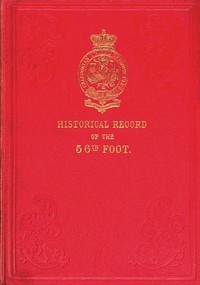
Historical Record of the Fifty-sixth, or the West Essex Regiment of Foot by Cannon
So, you pick up this book expecting maybe a sweeping war story. That's not what this is. Historical Record of the Fifty-sixth Regiment of Foot is exactly what it says on the cover: a record. Written by Richard Cannon, a War Office clerk in the 1800s, it's a compiled history of a single British Army regiment from its formation in 1755 through to the early 19th century.
The Story
There's no traditional plot with heroes and villains. Instead, think of it as a very detailed, year-by-year timeline. Cannon tracks the regiment's movements across the globe. One page they're in Canada during the Seven Years' War, the next they're in the Caribbean, then they're fighting in the American Revolutionary War. It lists the battles (like Bunker Hill), the commanding officers, and when the regiment moved from one garrison to another. It's all facts, dates, and places. The "characters" are the colonels and lieutenant-colonels who led these men, but you don't get to know them personally. The real protagonist is the regiment itself—this living, breathing, fighting unit that changes over decades.
Why You Should Read It
Here's the thing: this book is a tool for your imagination. Cannon's dry prose is the frame. You have to fill in the picture. When you read that the regiment "embarked for North America," you imagine the terrible sea voyage. When you see a list of battles, you think of the fear and chaos those names represent. It gives you the skeleton of military history. For anyone researching family history or writing a historical novel set in this period, this is pure gold. It's not a book you read for fun; you read it to understand the rigid structure of army life and the vast scale of the British Empire's wars. It makes you appreciate the sheer, grinding reality of service.
Final Verdict
This isn't for everyone. If you want a fast-paced narrative, look elsewhere. But if you're a history buff, a genealogist, a historical reenactor, or a writer who needs hard facts, this is an essential, primary-source document. It's the authentic background noise to every flashy film about the period. Reading it is an act of archaeology—you're brushing the dust off the official story to find the human experience buried beneath. Perfect for the patient reader who loves to connect the dots themselves.
This digital edition is based on a public domain text. Feel free to use it for personal or commercial purposes.
James White
2 years agoFrom the very first page, the atmosphere created is totally immersive. Truly inspiring.
Brian Lee
3 months agoI was skeptical at first, but the emotional weight of the story is balanced perfectly. I will read more from this author.
George Walker
1 year agoCitation worthy content.
Jessica Ramirez
7 months agoJust what I was looking for.



Emily Nguyen
5 months agoThanks for the recommendation.